

The psychology of packaging is not only about drawing attention to your products for your customers to make a purchase from your business. By strategically choosing the correct materials, structures, add-ons and colours, you can elevate even the most simple items. We’re going to walk through how choosing different
Structure, Shape and Size
Structure
Choosing the right structure for your packaging can make all the difference. We offer a wide variety of structures that are suitable for all kinds of businesses and products. The way that your products and business are perceived can be affected simply by the kind of packaging structure you use! For example, for boxes, our rigid boxes appear more high-end than a folding carton.
Shape & Size
Our packaging (specifically our custom boxes) come in all kinds of shapes and sizes! Daisy Cabral from Forbes writes:
Slim, narrow products tend to evoke thoughts of health. Squat, narrow products are viewed as sturdy and bold. Even very complex shapes have their own associated emotions and can be made into another element of branding.
Source

Some brands use the shape of their packaging to spark a discussion. Our favourite example is Vacation’s whipped SPF, which dispenses from a canister! Not all packaging that uses unique shapes and sizes has to have major impact like chaos packaging though. You could achieve similar results by packaging your products in simple shapes, used for unique purposes! Since our packaging solutions are made-to-order, you can be sure that we can create something unique to your business.
Colour
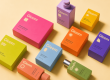
Using colour psychology in your packaging designs can help convey messages about your brand! Different colours can evoke feelings, moods and trigger behaviours! Choosing the right colours and the right combination of colours can speak volumes about your brand. Here’s a quick breakdown of the colours of the rainbow and what they might mean:

Red
In colour psychology, red often means passion, urgency, power, anger, or even love. Use this colour to draw your customers’ attention and prompt them to action.

Orange
Typically signifies health, happiness, energy, and sometimes caution. The colour is another warm, warning tone like red, but isn’t as intense! Many health and wellness brands may choose to use this colour for.

Yellow
This is the colour of joy and positivity, but can also be associated with sickness. Businesses in a medical field might not want to use this colour, whereas eco-friendly brands might benefit from this colour.

Green
is the ultimate colour of environmentally friendly brands (we should know!). The colour is not only associated with the environment, but can also signify growth, wealth, and balance.

Blue
Blue invokes calm, reflection, wisdom, dependability and integrity. This is why you’ll see blue in many healthcare, legal and financial institutions’ designs, though we’ve also been seeing a vibrant blue shade used in association with technology.

Indigo & Violet
Though separate colours, indigo and violet often carry similar connotations. Traditionally, purple is a symbol of royalty, however it can also invoke spirituality, wisdom, creativity and magic.

Pink
Using pink in your designs can indicate romance, playfulness, but also youthfulness, tenderness and caring. Pink can also stand out as a vibrant punch amongst other brands, adding an unexpected touch of fun!

Black
A strong, bold colour, black can signify grief, strength, sophistication and solidarity. When used alongside white, it can give off the impression of balance. When used alone, black is imposing and might be overwhelming.

White
White represents clarity, hope and light. Depending on the shade of white used, the colour can be a stark contrast or a subtle accompaniment to other colours.
Materials
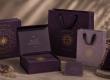
Choosing the right materials for your packaging can also impact perceptions about your products. Generally, heavier weight materials like rigid greyboard, a thick paperboard material or fancy paper can indicate luxury in a tactile way. These options, either alone or combined with other add-ons can signify quality and luxury to prospective clients!
Not sure what materials you should use for your business? Let us help!
Typography & Illustrations
When creating your packaging designs, it’s important to consider the effect that the typography and illustrations you use will have on your customers’ brand perception.
Typography
Typography is more than simply choosing a font; it’s more about what the font implies to viewers. For example, serif fonts (like Times New Roman) are more serious, formal and elegant in their presentation. Whereas sans serifs are more decorative and fun, but they can also be elegant! The arrangement of your type in typographic hierarchy is also important to consider for getting your message across using text.
Illustrations
When creating a design that incorporates illustrations, the style of the illustrations can have different impacts. Design trends like cartoon characters immediately add a touch of whimsy and childlike fun, whereas minimal line art might appear as more sophisticated. Illustrations can also help tell a story about your business without overwhelming customers with words. For more information on the difference between text and illustration heavy designs, check out our blog post!
How Can I Incorporate Psychology In My Packaging?
Let us let you in on a secret: you’re likely already using psychology! When creating your packaging design with your client in mind, you’re already thinking about what your packaging says about your brand/products on a subliminal level. For more help with how to ensure your packaging comes across with the right message, contact us today for a free consultation!





Nice Blog
Thanks For This Blog Post
Thank you for reading!