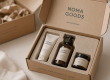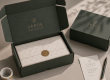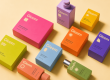
Every product tells a story. Often, the packaging tells the story first – it’s more than just a bag or a box. It’s a silent salesperson It communicates your brand’s personality, protects your product, and influences how consumers feel and act. Understanding the packaging psychology behind your choices helps you make smart decisions. It can turn casual browsers into loyal customers.
Let’s explore how colours textures, and shapes subtly but powerfully influence consumer behaviour. It’s important to learn how to use these elements to your advantage while remaining true to your brand!
The Power of Colour
Colours evoke emotions and even carry cultural significance. The colours you choose for your packaging can instantly convey a mood or message, and may influence a purchasing decision. Beyond simple aesthetics, colour creates immediate brand recognition. Moreover, it can set the stage for your product’s purpose and appeal. For instance, think about how major brands use specific colours to trigger certain feelings in you:
Red – this colour grabs attention. It signals excitement, passion or urgency. Many food brands use red to stimulate appetite – think of how it stands out on a shelf!
Blue – often conveys trust, reliability and calm. Financial institutions and tech companies frequently use blue, and lighter hues can even suggest freshness (great for food again!)
Green – connects to nature, health and sustainability. It’s a popular choice for organic products or eco-friendly brands. Similar to blue, a darker hue can suggest luxury or wealth
Yellow – often represents cheerfulness, optimism and energy. Brands use yellow to attract attention, especially for products aimed at children or for impulse buys
Black – communicates sophistication, luxury and power. High-end brands often use black to create an exclusive feel and premium quality
White – represents purity, simplicity and cleanliness. Many minimalist brands choose this colour as it makes products feel fresh and modern
Choosing colours for your packaging goes beyond aesthetics. It’s about sending the right subconscious message to your customers – this is a key part of packaging psychology.

The Impact of Texture
Touch is a powerful sense. The texture of your packaging creates a tactile experience, which can profoundly influence how consumers perceive your product’s quality and value. A package’s feel communicates unspoken messages about its contents. It can convey premium quality, eco-friendliness or even a sense of comfort. This tactile feedback creates a deeper connection with the brand.
Smooth or Glossy Finishes – these often suggest sleekness, modernity and high quality. Think of luxury cosmetics or electronics; a smooth feel implies precision and care
Matte Finishes – matte textures convey elegance, sophistication and a premium feel. They are understated and can make a product feel more exclusive. As an added bonus, they often reduce glare, making packaging easier to photograph
Rough or Natural Textures – these suggest authenticity, eco-friendliness or a handmade quality. Brands using recycled materials or promoting natural ingredients often opt for rougher textures, connecting the product to nature and craftsmanship
Embossing and Debossing – adding raised (embossing) or sunken (debossing) elements creates a tactile dimension. This makes logos or patterns pop. This special touch signals attention to detail and adds a sense of luxury. Consumers often feel this difference, elevating not only your design, but also perceived value
This may sound strange, but consider a material’s feel. Does it align with your brand’s message? A flimsy package suggests a cheap product, while a sturdy, pleasant-to-touch package implies quality.
The Psychology of Shapes
Shapes are not just about form; they communicate subtle messages. The outline of your packaging can influence perception and attract specific consumers. The geometry of your design plays a significant role in how customers perceive your brand’s personality. It can suggest dynamism, trustworthiness, or playfulness before they even read a word. This non-verbal communication is vital for first impressions.
Rounded Shapes (circles, ovals, curves) – these shapes often convey softness, friendliness, harmony and approachability. Products for families, children, or those promoting comfort often use rounded edges. They can also suggest luxury and elegance
Angular Shapes (squares, rectangles, triangles) – these shapes suggest strength, stability, efficiency and modernity. They often feel more serious or direct. Technology products or items needing a strong, secure presence often use angular designs
Unique and Asymmetrical Shapes – breaking away from standard shapes makes your product stand out, creating intrigue and memorability. A unique shape can become iconic, like the classic Coca Cola bottle. This differentiation helps your product get noticed on a crowded shelf.
Beyond aesthetics, shapes also impact functionality. An ergonomic shape is easy to hold, and a stackable shape saves space. Thoughtful packaging considers both form and function.

Use Packaging Psychology to Influence Purchases
Colours, textures and shapes are not random choices; instead, they serve as strategic tools in your packaging psychology arsenal. Therefore, when you use them thoughtfully, they create. strong emotional connection with consumers. These elements differentiate your brand and enhance perceived value, ultimately influencing purchasing decisions.
Read to unlock the power of packaging psychology for your business? At LeKAC, we specialise in creating custom packaging solutions. We understand how these elements impact consumer behaviour. Consequently, we can help you choose the right combination of colours, textures and shapes. This ensures your products do not just sit on the shelf but rather they connect directly to your ideal customer.
Don’t underestimate the silent power your packaging holds! Contact LeKAC today for a free consultation. Let’s design custom packaging that captivates consumers and drives sales for your business.