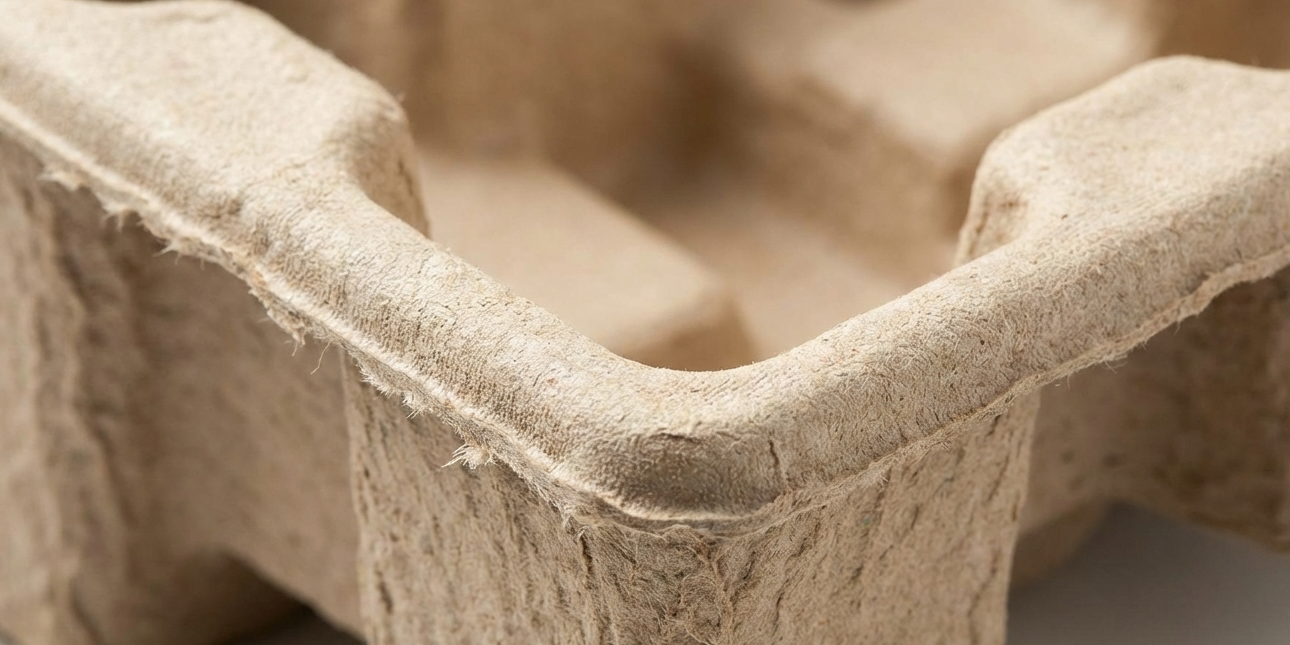
Mono-material packaging is quickly becoming a game-changer for Canadian business owners looking to balance high-end aesthetics with operational efficiency.
When we talk about a single substrate design, we are referring to packaging made entirely from one type of material (usually paper or cardboard) rather than a complex mix of plastics, foams, and adhesives (with the exception of glue and inks). Technically, packaging must consist of 90-95% of one type of material in order to classify as mono-material.
Moving toward a mono-material strategy is a smart way to position your brand as a leader in the circular economy while simultaneously reducing the headaches associated with managing multiple packing components.
What Does “Mono-Material” Mean?
In the packaging world, a substrate is the base material that makes up your product. Most traditional packaging is multi-material; think of a cardboard box with a plastic window, a foam insert, or a plastic coating.
While functional, these may be difficult to recycle in areas because the materials are bonded together. A mono-material solution, on the other hand, uses one single substance for the entire unit. By using 100% paper or 100% of a specific recyclable polymer, the entire piece of packaging can be tossed into a single recycling stream without the need for separation.

One of the most immediate benefits of adopting a mono-material approach is the simplification of your procurement and logistics. Instead of juggling various lead times for different materials, you can focus your energy on a primary substrate.
This consolidation helps de-risk your supply chain against common weather or holiday delays, or other external factors beyond your control. By sticking to one material, you often see a better ROI on your shipping and storage costs, as your packaging becomes more uniform and easier to manage within your warehouse.
Enhancing Sustainability + Brand Equity
In today’s market, eco-friendly choices are a hallmark of industry leadership. A mono-material design is significantly easier for your customers to recycle because they don’t have to spend time separating different components before disposal. This transparency in your packaging choices builds deep trust with your audience.
When your customers see that your brand has moved away from difficult-to-recycle multi-material layers, it elevates their perception of your brand as a conscious and responsible choice.
While there is a common myth that using just one material might compromise the protection of your products, through clever structural engineering and right-sizing, a mono-material solution can be just as durable as its multi-material counterparts.

By eliminating unnecessary inserts and optimizing the weight of your boxes, you can also significantly lower your cost of goods sold.
Switching to a mono-material strategy is more than just a trend; it’s a strategic investment that simplifies your operations and prepares your brand for long-term market leadership.
Is Your Brand Ready to Simplify?
At LeKAC, we try to meet any restrictions clients may have when it comes to packaging. Whether you’re looking for multi-material or mono-material packaging components, our team can help you. We specialise in helping you from design to delivery, while keeping everything looking functional and beautiful.
What do we think about mono-material packaging? We can see both the positives and the negatives.
In certain cases, it’s easily the best route to take; however, different products require different types of packaging.
If you’re interested in what we can offer, contact our team today and get started with your free consultation. The LeKAC Pack is ready and waiting to help you achieve your packaging dreams!