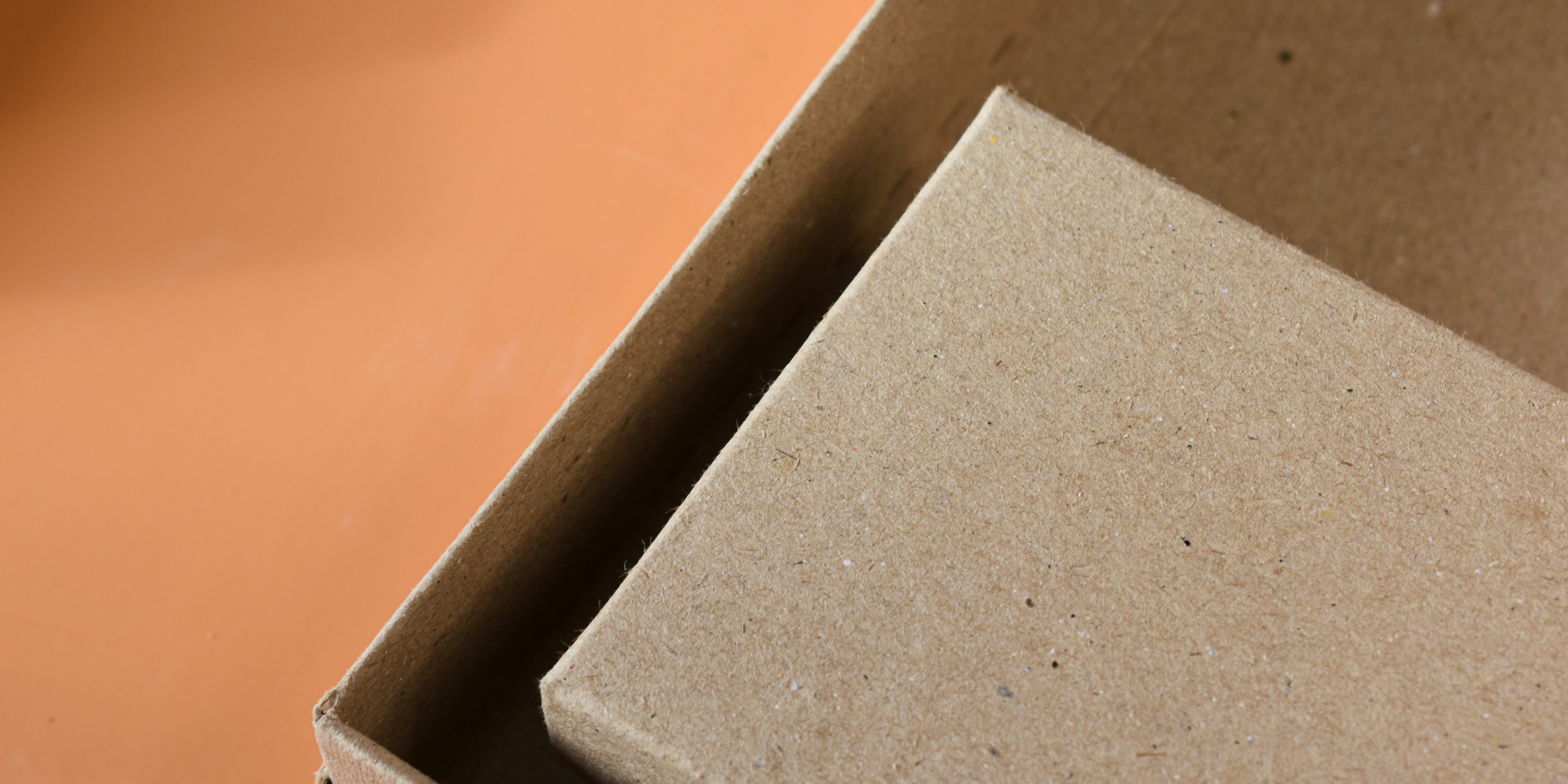
Over the years, with commitments to sustainable practices, one term has become crucial in packaging design – mono-material packaging. This simple concept or designing packaging entirely from a single material type is perhaps the most effective way to ensure that your product’s packaging is easily and fully recyclable.
For consumers, this simplicity removes the headache of sorting and separating. For brands, it’s a powerful statement of environmental commitment.
Understanding the principles of mono-material packaging helps you create solutions that fit seamlessly into the circular economy.

What is Mono-Material Packaging?
In simple terms, mono-material packaging uses only one class of material for the entire package. A common example is a polyethylene (PE) couch, rather than a multilayered pouch consisting of PE, aluminium, and nylon.
The challenge with traditional packaging often lies in separating different material types that are laminated or stuck together. For example, plastic films attached to a paper backing. Recycling facilities struggle to process these complex hybrids, which often results in the entire packaging going to a landfill.
By sticking to one material, you guarantee that the entire unit can go through a single, dedicated recycling stream.
Does Simplicity = Higher Recyclability?
The core benefit of mono-material packaging is the significant boost it provides to recycling success rates. When a package is made from a single polymer, such as paperboard, it maintains a higher level of purity.
- Improved Sorting – automated sorting equipment at recycling centres can quickly and accurately identify the single material using Near-Infrared (NIR) technology
- Contamination Reduction – the lack of foreign materials eliminates contamination issues that lower the quality of the resulting recycled material (known as the ‘reclaim’)
- Increased Value – higher purity means the recycled material can be used more effectively to create new high-quality products, making the process more economically viable for recyclers
Designing your custom packaging with a single material is not just a trend; it’s a structural necessity for true circularity.

Strategies for Implementing Mono-Material Packaging
Implementing this strategy often involves thoughtful substitution of common composite elements. Here are a few practical examples:
- Switching from Mixed to Single Plastic – replacing multi-layer flexible films (common in food packaging) with a single-layer PE or PP film
- Eliminating Plastic Windows – using paperboard cartons without the traditional plastic cellophane window found on many food or toy boxes. This ensures the entire carton goes through the process as paper
- Designing Pure Paper Solutions – creating paperboard boxes where inserts are also from the same grade of paper, eliminating the need for other material inserts
This approach often requires working closely with your packaging supplier to find substitutes that maintain the necessary barrier protection and structural integrity which adhering to the mono-material packaging rule.
The Power of Clarity
In addition to the environmental benefits, mono-material packaging offers a powerful brand benefit: clarity. When a customer knows they can toss the entire packaging into their blue bin without a second thought, it enhances their satisfaction and simplifies their life.
This friction-free, responsible disposal process reflects positively on your brand and reinforces your brand values.
Recycling should never be a guessing game for your customers. By prioritising mono-material packaging, you are taking a definitive step away from confusing composite designs and toward responsible, streamlined sustainability.
This choice improves the efficiency of global recycling systems and establishes your brand as a clear leader in environmental leadership.

If you’re ready to make recycling effortless for your customers, our team can help you. Don’t let confusing materials stand between your brand and its sustainability goals. Let us design custom mono-material packaging solutions for your brand that are simple, responsible, and perfectly aligned with the circular economy.