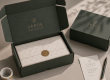
In the world of custom design, there has long been a subconscious link between ‘heaviness’ and ‘quality’. Historically, a heavy box or a thick shopping bag singled a premium investment.
However, as we move toward a more sustainable and efficient future, lightweighting in packaging has emerged as a smart way to lead your industry.
The challenge for many business owners is simple – how do you use less material without making your customer feel like you’re cutting corners?
What Does Efficiency Mean?
At its simplest, lightweighting in packaging is the process of reducing the amount of material used in your boxes, bags, or mailers without losing their strength.
It isn’t about just picking a thinner paper; it’s about better engineering. Think of it like a high-performance sports care – it’s designed to be as light as possible to be faster and more efficient, but it’s incredibly strong and high-end.
By reducing the mass of your packaging, you are directly lowering your shipping costs and reducing your environmental footprint.

We have all opened a package that felt thin or papery, and that immediate reaction is usually a drop in perceived value. If a box arrives crushed or a bag feels like it might tear at any second, the customer subconsciously worries that the product inside isn’t being protected.
This ‘cheap’ feeling usually happens when a brand tries to save money by simply using lower-quality, thin materials without rethinking the actual design.
Why Does Heavy = High End?
When lightweighting in packaging is done poorly, it feels like a compromise. When done well, it feels like a conscious, high-end decision.
For decades, weight was used as a shortcut for luxury. Think of heavy glass perfume bottles or thick, rigid gift boxes. Weight suggested durability, permanence, and substance.
In a world where resources felt infinite, using more was a way to show off.
But times have changed.

Today’s consumers (especially the younger generation) often see excessive, heavy packaging as wasteful rather than wealthy. The new luxury is about being smart, sustainable, and sleek!
Borrowing Secrets from Luxury Leaders
You see lightweighting in packaging everywhere in high-end retail.
Brands like Apple or top-tier skincare lines lead the way. They moved away from massive, heavy boxes. Instead, they use slim, perfectly fitted packaging. These kits feel dense and secure despite their light weight.
- The E-Flute Advantage – use a thinner, higher-grade corrugated cardboard. It stays rigid enough to protect your goods but saves you money on postage
- The Art of the Fold – replace heavy foam or thick plastic trays. Clever paper-based folds ‘lock’ your product in place just as securely
- Tactile Illusions – try a soft-touch matte lamination or a textured finish. This texture feels so premium that customers never think about the weight
Strategic Steps to a Slimmer Suite
Strat with ‘right-sizing’ if you want to lose weight without losing your edge. Too much empty space makes a package feel hollow and cheap.
We tailor the dimensions perfectly to your product. This creates a ‘dense’ feel that signals high quality.
Next, look at your material choice. Swap to a high-density, long-fibre paper. This allows you to go thinner while keeping a satisfying ‘snap’ when the box opens.

Finally, focus on the visual ‘wow’ factor. A beautiful, earthy colour palette or a deep debased logo turns a light box into a work of art.
Making the Transition Seamless
A lighter future does not mean you sacrifice your brand’s prestige. At LeKAC, we handle the complex design, sourcing, and logistics for you.
We guide you through the 3 to 4 month production roadmap. Our team ensures your new, lighter packaging stays secure and perfectly on-brand.
We make sure your customer notices your sophistication, not the weight. You save on costs while the environment wins – it’s a strategic move that positions you as a modern industry leader.
Ready to slim down your shipping costs without affecting your legacy? Contact us today to book your free consultation with one of our experts!